
Deciding to commit to a recovery program is a monumental step toward reclaiming your agency and health. However, when that decision is complicated by the presence of an abusive relationship, the stakes are significantly higher. For many survivors in North Carolina and across the country, the intersection of substance use and domestic violence creates a “double bind”, a situation where seeking addiction help for one issue can trigger an escalation of the other.
At Abhaya Wellness, we recognize that for survivors, accessing help through an Intensive Outpatient Program (IOP) isn’t just a clinical appointment; it is a high-stakes safety maneuver. The word Abhaya translates to “fearlessness” and “protection,” and those are the two pillars upon which we build our outpatient care. If you are caught between the weight of addiction and the fear of domestic violence, this guide is designed to provide you with the clinical insights and tactical safety steps necessary to find a path to freedom through specialized outpatient support.
The Hidden Link: Why Addiction and Domestic Abuse Often Co-Occur
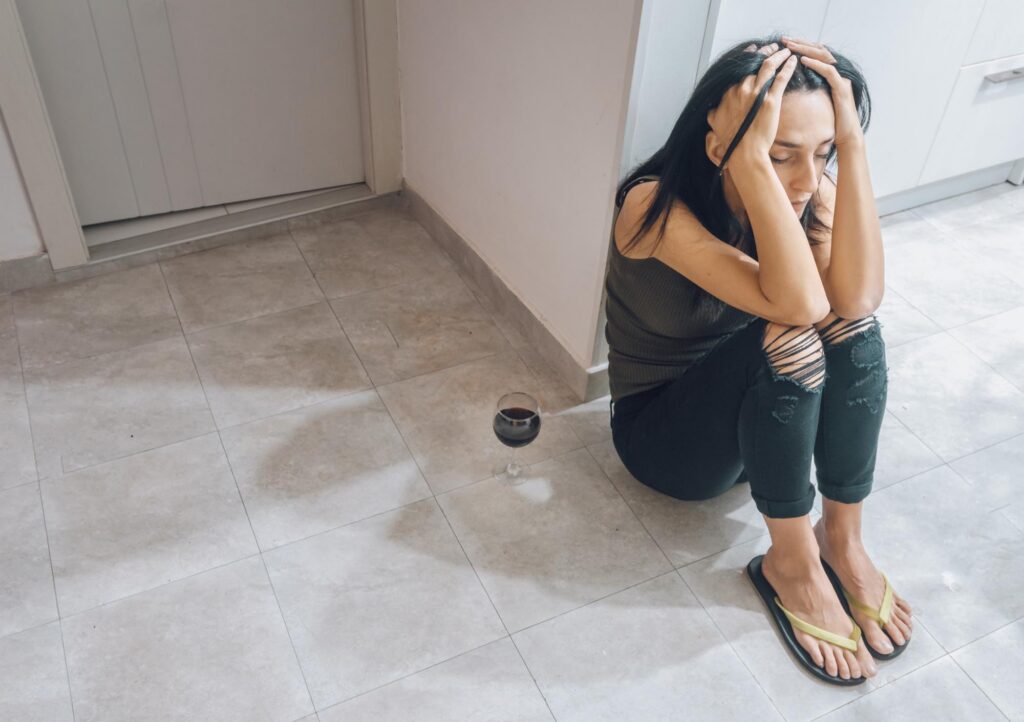
It is a painful and well-documented reality that substance use and domestic violence are frequently intertwined. While addiction does not inherently cause abuse, it often acts as a dangerous accelerant for an abuser’s volatility. Furthermore, many survivors find themselves using substances as a primary survival mechanism, a way to numb the physical and emotional pain of the abuse they endure daily.
In many cases, an abuser will intentionally use a partner’s addiction as a tool of power and control. They may coerce substance use, forcing a partner to use drugs or alcohol to keep them dependent. They may control the supply, acting as the primary provider to ensure the victim cannot leave. Most dangerously, they often weaponize the addiction, threatening to call the police or report the victim’s drug use to legal authorities if they attempt to seek help or leave the relationship.
Understanding that your substance use may be a survival response is the first step toward self-compassion. At Abhaya Wellness, we don’t judge the addiction; we see it as a symptom of the trauma you have survived, and we specialize in providing the support you need while you work toward sobriety.
Step 1: Digital and Physical Safety Planning for Outpatient Care
In a relationship characterized by control, your search for addiction help must be conducted with extreme caution. Because Intensive Outpatient Programs (IOP) involve attending sessions several days a week while living in the community, your schedule and movements may be more visible to an abuser than they would be in a residential setting.
Digital Privacy Protocols
Before you call our admissions line, ensure your digital footprint is invisible. Abusers often monitor phone logs, browser histories, and GPS locations. Use a safe device, such as a computer at a public library or a burner phone that your partner does not know about. If you must use a shared device, use “Incognito” or “Private” mode and manually clear your browser history and cookies after every session. It is also wise to create a new, secret email address with a password your partner could never guess, specifically for all communications with your treatment team.
The “Go Bag” and Safe Transition
Even if you are not moving into a facility, you may be planning to transition from your current home to a domestic violence shelter or a safe house while attending IOP. If it is safe to do so, hide a small bag in a secure location containing your identification (driver’s license, birth certificate, Social Security card), financial resources (any cash or a secret credit card), and medical information (insurance card and a list of medications). Having these items ready allows you to move toward safety the moment a window of opportunity opens.
Step 2: Identifying Trauma-Informed Outpatient Treatment
Not all outpatient addiction centers are equipped to handle the specific needs of domestic violence survivors. When you are looking for domestic abuse support within a clinical setting, you must look for a facility that practices Trauma-Informed Care (TIC).
A trauma-informed facility like Abhaya Wellness understands that “standard” clinical practices can be deeply triggering for survivors. In an outpatient setting, TIC means we prioritize physical and emotional safety from the moment you walk through our doors. We involve you in every aspect of your treatment plan, helping you regain the power and agency that was taken from you. We also maintain strict privacy protocols to ensure that unauthorized individuals, including abusive partners, cannot gain access to information regarding your attendance or progress.
Step 3: Leveraging Legal and Advocacy Resources in North Carolina
Seeking addiction help in an outpatient setting doesn’t mean you lose your rights as a survivor. In North Carolina, there are specific legal protections designed to help you exit an abusive situation while you seek medical and psychological care.
For instance, the Address Confidentiality Program (ACP) in NC allows survivors to use a substitute mailing address to keep their actual location hidden from abusers. Additionally, our team can help connect you with legal advocates who can assist in filing for a “50B” Domestic Violence Protective Order. This order can be a vital tool in ensuring your safety while you are traveling to and from your IOP sessions at Abhaya Wellness. We also coordinate with local North Carolina crisis centers to ensure that if you need emergency housing, your placement is coordinated with your clinical schedule.
The Clinical Path: Healing Trauma and Addiction in an IOP Setting
At Abhaya Wellness, we believe you cannot treat addiction without treating the trauma that fuels it. Because we offer Intensive Outpatient Programming, you receive high-level clinical care while maintaining the ability to rebuild your life in real-time. Our clinical approach integrates evidence-based addiction medicine with advanced trauma therapies that address the nervous system’s response to abuse.
EMDR and Somatic Experiencing
Trauma is stored in the body. For survivors of domestic abuse, the nervous system is often stuck in a state of chronic “high alert.” Eye Movement Desensitization and Reprocessing (EMDR) and somatic therapies are utilized within our IOP to help the brain and body process traumatic memories. This reduces the “fight or flight” response that often leads to a relapse when a survivor encounters a trigger. By calming the nervous system, we make it possible for you to engage in the behavioral changes necessary for long-term sobriety.
Integrated Dual Diagnosis Care
Most survivors struggle with co-occurring disorders such as PTSD, anxiety, or depression. We provide integrated care that treats these symptoms alongside the substance use disorder. In our outpatient sessions, we focus on emotional regulation skills, helping you navigate the stressors of your daily life without reverting to substances for numbing or protection.
If you are ready to seek addiction help but are worried about how to do so safely while living with or leaving an abuser, we are here to help you plan. Contact Abhaya Wellness from a safe device today to speak with an admissions specialist who understands the complexities of domestic abuse and addiction in North Carolina.
Question SEO: Frequently Asked Questions (FAQ)
Is it safe to attend IOP if I still live with my abuser?
Attending an outpatient program while living with an abuser requires a very specific safety plan. Our team at Abhaya Wellness can help you navigate this “double life” by scheduling sessions during times your partner believes you are elsewhere (such as work or running errands). However, our ultimate goal is to help you connect with domestic abuse support resources in North Carolina to move toward a safe living environment as soon as possible.
Can my partner find out I am attending addiction treatment?
Under federal law (42 CFR Part 2 and HIPAA), your presence in an addiction treatment program is strictly confidential. At Abhaya Wellness, we take extra precautions with survivors. We will never confirm your presence to anyone without a specific, written release from you, and we can help you set up “blind” check-in procedures to ensure your privacy.
What is domestic abuse support in an outpatient setting?
In our IOP, domestic abuse support means more than just therapy. It includes safety planning for your commute, coordination with legal advocates for protective orders, trauma-specialized group therapy where you can connect with other survivors, and referrals to safe housing and vocational resources in North Carolina.
How can I afford IOP if my partner controls our finances?
Most major insurance plans cover Intensive Outpatient Programs. If you are on a joint policy, we can discuss ways to keep your treatment details as private as possible from the primary policyholder. There are also North Carolina grants and survivor-specific funds available to help those in abusive situations access the medical care they need to become independent.
Will IOP help me if I have a “50B” protective order?
Yes. Attending a structured, professional program like Abhaya Wellness shows the court that you are taking proactive steps toward health and stability. We can provide documentation (with your permission) to your legal counsel to support your case for custody or protection by demonstrating your commitment to a sober, safe lifestyle.
Healing in North Carolina: The Abhaya Wellness Difference

Located in North Carolina, Abhaya Wellness provides the high-tier, specialized outpatient care that survivors of domestic violence require. We don’t just see you as a “patient” with a substance use disorder; we see you as a resilient individual who has survived extraordinary circumstances and deserves a life of peace.
Our IOP offers a blend of clinical sophistication and a deep understanding of the “survivor’s journey.” We provide an expert clinical team of therapists who specialize in the intersection of PTSD and addiction, alongside a community of peers who understand exactly what you are going through. We help you build a “Life After Abuse” plan, which includes ongoing therapeutic care and the practical life skills needed to maintain your independence and your sobriety.
At Abhaya Wellness, our mission is to provide the Abhaya, the fearless protection and support, you need to step out of the shadows of abuse and into the light of a new, sober life.
You deserve a treatment experience that honors your story and protects your future. Reach out to our North Carolina team now to learn more about our trauma-informed Intensive Outpatient Program and how we integrate domestic abuse support into every step of your recovery journey.