
Walking into a local Durham convenience store, vape shop, or gas station, it is common to see vibrant, professional packaging marketing a new herbal extract derivative known as 7-hydroxymitragynine, or simply “7-OH.” Often sold under the guise of an all-natural relaxation aid or concentrated kratom tea leaf supplement, many adults try these tablets or liquid shots with completely innocent intentions.
However, because these products are widely available over-the-counter across North Carolina, a hidden epidemic is quietly unfolding. Many individuals who started using the compound to manage daily stress, increase energy, or cope with physical discomfort are suddenly finding themselves trapped in an unregulated loop of substance dependence. They are left facing a deeply unsettling internal question: Am I hooked on 7-OH?
If you are questioning your relationship with these convenience-store extracts, it is vital to understand that your struggle is not a moral failing. Drug addiction is a complex, treatable medical condition that alters brain function, often stemming from a combination of genetic, environmental, and psychological factors.
Recognizing the truth about this high-potency alkaloid is the first step toward breaking free from its grip. By identifying the core warning signs that your use has crossed the line into active addiction, you can step out of the cycle of compulsion and rediscover your inherent wisdom to heal.
Understanding the Biological Reality of 7-Hydroxymitragynine
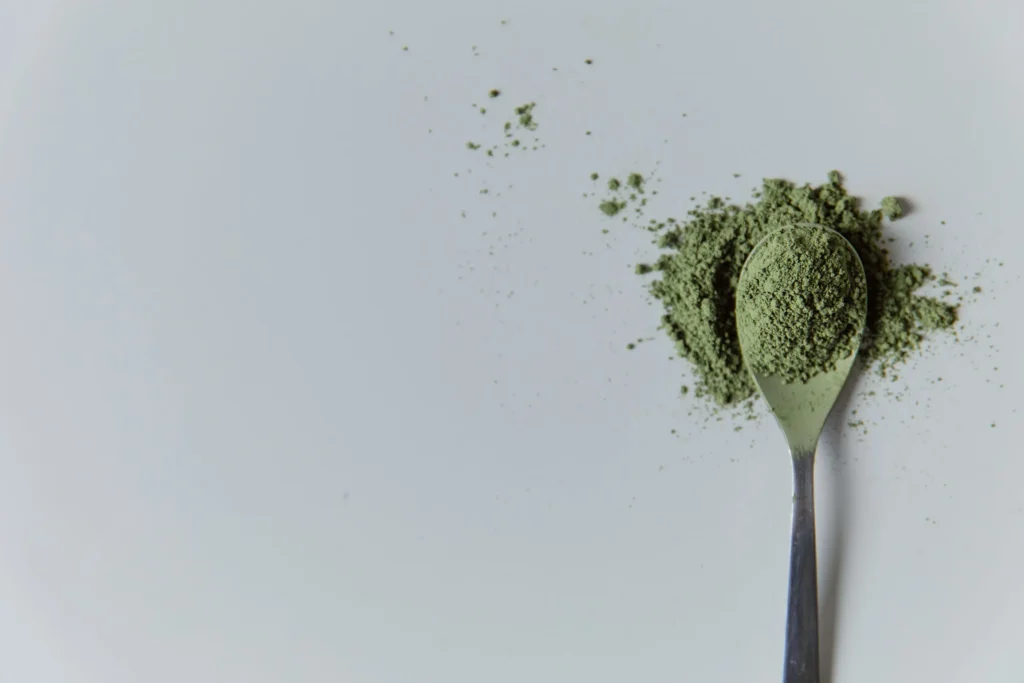
To accurately evaluate if you are hooked on 7-OH, it is necessary to clear up the “natural” fallacy surrounding these products. While derived from the kratom plant, isolated 7-hydroxymitragynine is a completely different chemical experience than raw kratom leaf.
This compound acts as a highly concentrated, potent mu-opioid receptor agonist. When consumed, it floods the central nervous system and binds directly to the exact same brain receptors targeted by traditional prescription pain medications and illicit opioids.
Because it acts with an optimized, high-potency delivery method, it tricks the brain into immediately halting its natural production of endorphins and dopamine. This rapid biological hijacking means that the line between casual, controlled use and a full-blown substance use disorder can be crossed in a matter of weeks. What begins as a helpful tool for emotional regulation or pain relief quickly shifts into a chronic cycle of compulsion, loss of control, and negative consequences despite a deep desire to stop.
5 Warning Signs You Have Crossed the Line into 7-OH Addiction
While addiction affects everyone differently, high-potency alkaloid dependencies follow a very specific diagnostic and behavioral trajectory. Here are five clear indicators that your use of 7-OH has progressed from a recreational habit to a physical and psychological dependency:
1. The Onset of Early-Morning Withdrawal Symptoms
One of the clearest indicators of physical dependency is experiencing a strong desire to use accompanied by physical or emotional symptoms when you try to stop or delay a dose. Because 7-OH has a relatively short half-life, individuals who are dependent often wake up in the middle of the night or early morning experiencing an intractable physical crash. This manifests as deep-tissue muscle aches, sweating, shaking, nausea, or profound restless leg syndrome that only dissipates once another tablet enters the system.
2. Inability to Cut Back or Control Daily Doses
You find yourself making repeated, sincere promises to yourself or loved ones to reduce your intake, space out your doses, or quit using the extracts entirely, yet you find it impossible to do so. This inability to cut back—even when you are highly motivated by a genuine desire to stop—proves that the compound has taken control of your thoughts, impulse boundaries, and behaviors.
3. Rapidly Increased Tolerance and Financial Strain
An increased tolerance means needing larger amounts of a substance to achieve the same initial effect. In early stages, a fraction of a 7-OH tablet might provide a sense of calm; as addiction takes root, you find you need multiple full tablets or liquid extracts a day just to stave off withdrawal sickness and feel baseline normal. Because these specialized smoke shop products are expensive, this escalating tolerance frequently triggers rapid, hidden financial strain.
4. Prioritizing Use Over Work and Family Obligations
When a substance use disorder takes hold, it actively interferes with your daily commitments. You may begin neglecting responsibilities, prioritizing the acquisition and consumption of 7-OH over your work performance, academic commitments, or major family obligations. You might also find yourself exhibiting sudden mood swings, intense irritability, or a total loss of interest in the hobbies and social circles you once thoroughly enjoyed.
5. Utilizing the Compound to Block Emotional Pain and Trauma
Turning to an over-the-counter opioid agonist as a primary way to deal with underlying mental health challenges is a major red flag for addiction. If you are using 7-OH to numb chronic anxiety, mask clinical depression, or suppress the painful memories of past trauma, you are caught in a dangerous self-medication loop. Without professional intervention, this behavior locks you into a cycle of temporary relief followed by an even deeper psychological crash.
The Escalating Reality of Drug Addiction in North Carolina
The rise of unregulated smoke shop compounds like 7-OH adds a complicated layer to an already severe public health crisis across our state. Consider the stark data surrounding drug addiction in North Carolina:
- Statewide Overdose Toll: From 2000 to 2024, more than 44,500 North Carolinians lost their lives to a drug overdose.
- The Durham County Crisis: Local data shows that within Durham County, the rate of deaths due to drug overdoses increased by over 300% between 2012 and 2021.
At Abhaya Wellness, we look at these statistics not just as numbers, but as real people who deserve a safe and supportive sanctuary to heal. Whether an addiction involves prescription medications, illicit substances, or over-the-counter extracts, the toll on both body and mind requires comprehensive, evidence-based care.
A Path to Recovery and Renewal at Abhaya Wellness
If you recognize these warning signs in your own life, asking for help is a courageous step, and our team in Durham, NC, is here to walk alongside you every step of the way. True, sustainable recovery cannot be achieved through cookie-cutter treatment strategies. Our drug addiction treatment programs are built on personalized treatment plans tailored to address the physical, psychological, and spiritual aspects of addiction simultaneously.
Conveniently located at 3710 University Dr. Suite 100 in Durham, Abhaya Wellness offers premier outpatient programs. This intensive level of support allows you to actively heal and break free from substance dependence while maintaining your essential work, school, and family responsibilities.
Our mindfulness-oriented eclectic approach combines expert medication management and psychiatric support with a robust framework of evidence-based therapies:
- Mindfulness-Based Relapse Prevention (MBRP): As a cornerstone of our recovery programs, MBRP teaches you how to slow down, breathe, and observe intense cravings, heavy thoughts, and uncomfortable emotions without judgment, empowering you to manage triggers safely.
- Cognitive Behavioral Therapy (CBT): This highly effective therapy focuses on identifying and reframing the negative thought patterns and impulsive behaviors that contribute to drug use, helping you establish healthy, long-term coping mechanisms.
- Dialectical Behavior Therapy (DBT): DBT teaches you crucial skills for handling immense stress, regulating intense emotions, reducing impulsivity, and improving interpersonal relationships.
- Eye Movement Desensitization and Reprocessing (EMDR): Because addiction is a multifaceted condition that often stems from unresolved trauma, our certified professionals utilize EMDR to process traumatic memories, reduce their emotional impact, and pave the way for deep internal healing.
- Dual Diagnosis Integration: We understand that drug dependence often co-occurs with mental health conditions like anxiety and depression. Our integrated treatment plans address both your substance use and underlying psychiatric challenges at the exact same time.
Navigating Your Journey Forward
Is professional addiction treatment covered by my health insurance?
Navigating insurance coverage is a key part of the recovery process, and financial concerns should never stop you from getting the help you deserve. At Abhaya Wellness, our team is committed to making treatment as accessible as possible. We are in-network with a wide range of insurance plans. Our admissions team provides a completely free, confidential verification of your insurance benefits to clearly explain your coverage, explain your outpatient benefits, and outline any out-of-pocket costs up front.
What happens if my care needs require a different level of support?
Your recovery always comes first. As part of our clinical intake process, our team will conduct a thorough assessment of your specific treatment needs. If we determine that the severity of your 7-OH withdrawal or co-occurring conditions requires medical services beyond what our outpatient facility provides, we will seamlessly connect you with the appropriate provider through a trusted, high-level referral.
Reclaim Control of Your Life Today
Discovering that an over-the-counter extract has quietly taken control of your thoughts, finances, and physical well-being can feel incredibly overwhelming. But you do not have to endure the pain of withdrawal or the fear of a relapse loop in isolation. Real, lasting recovery is entirely possible when you are surrounded by a compassionate team of professionals who truly understand the physical and psychological complexities of drug dependence.
Key Takeaways
- High-Potency Alkaloid: Isolated 7-OH acts as a powerful mu-opioid receptor agonist, making it significantly more potent and rapidly addictive than standard raw kratom leaf.
- Clear Withdrawal Signs: Physical dependence reveals itself through intense early-morning withdrawal symptoms, including deep muscle aches, shaking, sweating, and severe restless legs.
- Integrated Healing Suite: Our drug addiction treatment programs merge medical and psychiatric support with evidence-based therapies like CBT, DBT, and trauma-informed EMDR.
- Mindfulness Core: Through Mindfulness-Based Relapse Prevention (MBRP), clients learn to observe cravings and intense emotional drops without judgment, dramatically reducing the risk of a relapse.
- Accessible Outpatient Care: Conveniently located in Durham, NC, our flexible outpatient models allow individuals to receive comprehensive, whole-person care while fully maintaining their career and family duties.
Our team in Durham is dedicated to helping you understand the root causes of your substance use, providing the tools needed to heal, and supporting you in creating a path to a fearless, fulfilling life in sobriety. Contact Abhaya Wellness today to complete your free, confidential insurance check or to schedule your private consultation.