
Walk into almost any smoke shop, gas station, or convenience store around Durham or the greater Triangle area, and you will see shelves lined with brightly colored bottles, capsules, and green powders. Marketed widely as an all-natural herbal supplement that can boost energy, alleviate chronic pain, or soothe anxiety, this botanical substance has exploded in popularity. However, behind the appealing “all-natural” branding, a growing number of North Carolina families are waking up to a much more distressing reality, leaving many parents to ask a critical question: is kratom addictive?
As youth access rises and emergency room visits climb across the state, understanding the true nature of this substance is vital to safeguarding your household. This comprehensive guide serves as an essential manual for North Carolina parents, pulling back the curtain on how kratom operates in the brain, the legal changes taking effect in 2026, and how to identify and address a hidden physical dependency in your child.
What Is Kratom and How Does It Affect the Brain?

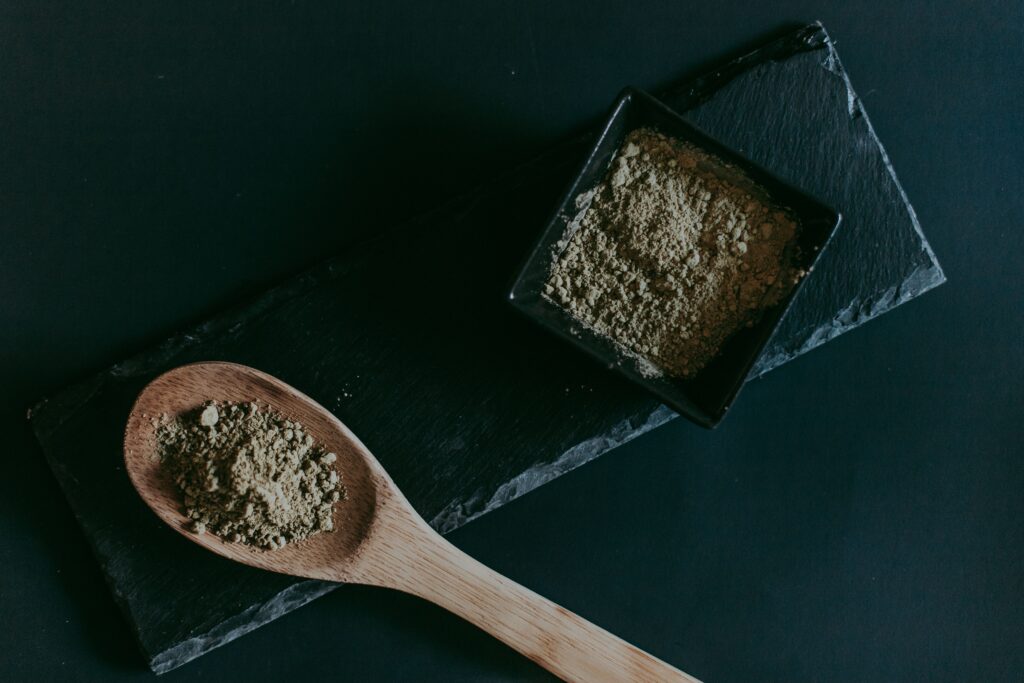
Kratom is a tropical evergreen tree (Mitragyna speciosa) native to Southeast Asia. The leaves contain active psychotropic compounds that produce altering mind effects when consumed. What makes kratom uniquely complex—and highly deceptive—is that its chemical behavior completely changes depending on the dosage size:
- Low Doses (Stimulant Effects): At small consumption levels (a few grams of raw leaf or powder), kratom behaves much like a powerful stimulant. Users often experience a sudden burst of physical energy, increased alertness, talkativeness, and heightened social confidence.
- High Doses (Opioid Effects): At higher consumption levels, kratom undergoes a pharmacological shift. The active alkaloids bind directly to the brain’s mu-opioid receptors—the exact same cellular targets hit by prescription painkillers, heroin, and fentanyl. At this volume, it acts as a severe central nervous system depressant, inducing intense sedation, pain relief, and a dream-like euphoria.
Is Kratom Addictive? The Scientific Reality
To answer directly: yes, kratom is highly addictive. Because its active chemical compounds interact directly with the brain’s opioid system, prolonged or frequent consumption causes the brain to adapt to its presence. Over time, the brain downregulates its natural endorphin and dopamine production, establishing a physical dependency.
The risk of rapid dependency has accelerated dramatically due to the emergence of highly concentrated liquid extracts, specifically those isolating an alkaloid known as 7-hydroxymitragynine (7-OH). Traditional raw leaf powder contains a relatively low percentage of this highly potent chemical. However, modern manufacturing processes allow companies to synthesize pure 7-OH shots that are significantly more potent than raw leaf material. These concentrated extracts skip the traditional stimulant phase entirely, flooding the brain’s opioid receptors and accelerating the timeline of physical addiction.
North Carolina’s Strict Under-21 Kratom Laws
As public health concerns mounted, state lawmakers took aggressive legislative steps to regulate an entirely unchecked marketplace, establishing clear protections for local families:
- Strict Age Requirements: It is an explicit criminal offense in North Carolina to knowingly sell, distribute, or provide kratom products to anyone under the age of 21.
- Total Ban on School Property: Kratom products, alongside hemp-derived consumables, are strictly prohibited on all North Carolina public school property, university campuses, and school-sponsored events. Possession on school grounds carries immediate disciplinary and legal consequences.
- Mandatory State Licensure: Manufacturers and retail sellers must obtain explicit state licensure to operate, a measure designed to force substandard, adulterated products off local store shelves.
How Can a Parent Tell If Their Child Is Using Kratom?
Detecting kratom use in teenagers and young adults requires looking past standard substance screening signs, as it does not produce the traditional smell of alcohol or cannabis. If you suspect your child is experimenting with this botanical, monitor their daily routines for this combination of physical and behavioral shifts.
Physical Signs of Use
- Pinpoint Pupils: Like traditional opioids, high doses of kratom cause the pupils to become heavily constricted or pinpoint, even in dimly lit rooms.
- Autonomic Fluctuations: Sudden, unexplained episodes of facial flushing, heavy cold sweating, or skin itching.
- Severe Gastrointestinal Issues: Opioid receptor activation slows down the digestive tract, leading to chronic constipation, sudden nausea, or frequent, unexplained vomiting.
Behavioral and Environmental Shifts
- Unpredictable Energy Cycles: Shifting rapidly between hyper-focused, frantic energy (resembling excessive caffeine consumption) and sudden, lethargic “nodding out” or daytime drowsiness.
- The Presence of Visual Evidence: Finding fine green powder residue on bedroom desks, small amber glass tincture bottles labeled as “all-natural herbal shots,” or frequent, unexplained debit card charges at local smoke shops and convenience stores.
What Do Kratom Withdrawal Symptoms Look Like?
When a person develops a physical dependency on kratom, abruptly stopping use or delaying a dose causes the body to fall into an acute autonomic rebound. Because kratom shares structural similarities with traditional opioids, the withdrawal process closely mirrors an opioid detox, causing substantial physical and psychological distress.
Common physical withdrawal symptoms include:
- Intense, throbbing muscle aches and joint pain.
- Persistent runny nose, frequent tearing, and uncontrollable yawning.
- Severe gastrointestinal distress, including abdominal cramping and diarrhea.
- A profound, bone-deep physical restlessness, often causing jerky or involuntary limb movements (commonly known as “restless leg syndrome”).
- Severe insomnia, accompanied by intense hot and cold flashes.
The psychological withdrawal symptoms can be equally debilitating. As dopamine and serotonin baselines crash, individuals frequently experience acute panic attacks, overwhelming rebound anxiety, extreme irritability, and a profound, flat depressive state.
Healing the Fearless Way at Abhaya Wellness
If you have discovered that your child or a loved one is caught in a cycle of physical dependence, it is easy to default to fear, anger, or confusion. Breaking free from kratom addiction requires a specialized framework that actively treats both the physical body and the underlying emotional landscape.
Located right here in Durham, North Carolina, Abhaya Wellness provides a highly specialized, compassionate sanctuary for young adults and families navigating the complexities of substance use disorders.
Mindfulness-Inspired, Clinically Driven Care
At Abhaya Wellness, our clinical philosophy is built around a powerful combination: blending rigorous, evidence-based psychotherapies with dedicated mindfulness-inspired practices. Traditional addiction treatment often focuses exclusively on behavioral modification. We take the process deeper by teaching clients how to sit safely through intense physical cravings, emotional anxiety, and somatic distress without relying on a chemical modifier.
Our comprehensive treatment tracks integrate:
- Cognitive Behavioral Therapy (CBT): To isolate, challenge, and restructure the negative thought patterns and lifestyle stressors driving substance use.
- Dialectical Behavior Therapy (DBT): To build actionable, real-world skills for distress tolerance, emotional regulation, and interpersonal effectiveness.
- Trauma-Informed Care & EMDR: To safely identify and heal underlying emotional injuries or past trauma without overwhelming the nervous system.
- Mindfulness Practices: Utilizing guided meditation, breathwork, and deep body scanning to physical lower systemic cortisol, regulate the nervous system, and naturally restore neurochemical balance.
Structured Local Care Built for Life
Operating right on University Drive in Durham, Abhaya Wellness offers structured Intensive Outpatient Programs (IOP) and outpatient outpatient therapy tracks. This flexible level of care allows young adults to engage in deep, transformative clinical work while safely maintaining their educational commitments or professional careers in the local Triangle area.
We work closely with major commercial PPO insurance providers—including Blue Cross Blue Shield (BCBS), Aetna, and UnitedHealthcare—to ensure that elite behavioral healthcare remains accessible to our North Carolina community. At Abhaya Wellness, we help your family move past the noise of addiction and step confidently into a life of authentic clarity, focus, and enduring peace.
Frequently Asked Questions (FAQs)
Is kratom considered an opioid under federal law?
No, from a strict legal standpoint, the federal government does not classify kratom as an opioid; it is currently classified as a botanical dietary supplement. However, from a medical and pharmacological standpoint, its active chemical compounds behave exactly like an opioid when consumed in moderate-to-high doses, creating an identical risk profile for physical addiction and withdrawal.
How long does the kratom withdrawal process last?
The acute physical withdrawal timeline typically begins within 12 to 24 hours after the last dose, reaches its peak intensity between days 3 and 5, and gradually settles by day 7 to 10. However, psychological symptoms—such as low energy, flat mood, sleep disruption, and intense cravings—can persist for several weeks, requiring consistent professional support to prevent a relapse.
Can someone overdose on kratom products?
Yes. While kratom alone is less likely to cause fatal respiratory depression compared to traditional synthetic opioids, overdoses absolutely occur—particularly with the widespread availability of highly concentrated 7-OH liquid extracts. Furthermore, mixing kratom with alcohol, benzodiazepines, or other prescription medications drastically elevates the risk of severe medical complications, respiratory failure, and toxicity.
What should I do if I find out my child is buying kratom?
First, pause and approach the situation calmly during a moment of relative sobriety; reacting with anger or staging a punitive confrontation often drives young adults deeper into isolation and denial. Focus the conversation on your love for them and objective observations of their changing health or behavior. Clearly outline your family boundaries regarding substance use, and immediately connect with a professional clinical admissions team to schedule an objective evaluation.
Take the Next Step Toward Reclaiming Balance
You do not have to navigate the confusion of behavioral health crises or hidden dependency alone, and your family does not have to remain stuck in a loop of fear. True healing occurs when clinical precision meets a dedicated, compassionate community.
If you suspect your child or a loved one is struggling with a chemical dependency and you are ready to explore a mindfulness-inspired path to recovery, contact the admissions team at Abhaya Wellness today