
Kratom has gained popularity in recent years as a substance that some people use to boost energy, improve mood, manage pain, or reduce opioid withdrawal symptoms. Because it is derived from a tropical tree native to Southeast Asia, many people assume it is a safe, natural alternative to prescription medications or illicit drugs.
However, “natural” does not always mean harmless. As kratom use has increased throughout the United States, addiction treatment professionals have seen a growing number of individuals struggling with kratom dependence, withdrawal symptoms, and compulsive use. Many people who begin using kratom for pain relief, anxiety, or energy enhancement eventually find themselves unable to stop without experiencing uncomfortable physical and emotional symptoms.
This leaves many individuals asking an important question: Can you go to rehab for kratom addiction?
The answer is yes. Professional addiction treatment can help individuals overcome kratom dependence, address underlying mental health concerns, and build a foundation for long-term recovery.
If you or someone you love is struggling with kratom use, understanding your treatment options in North Carolina can be the first step toward healing.
What Is Kratom?
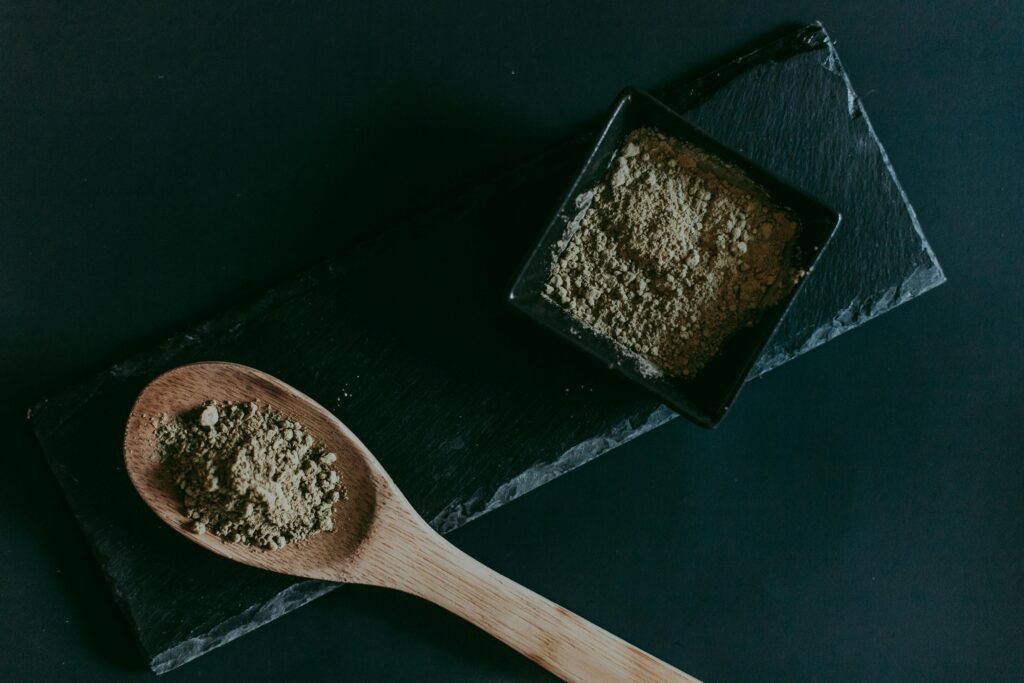
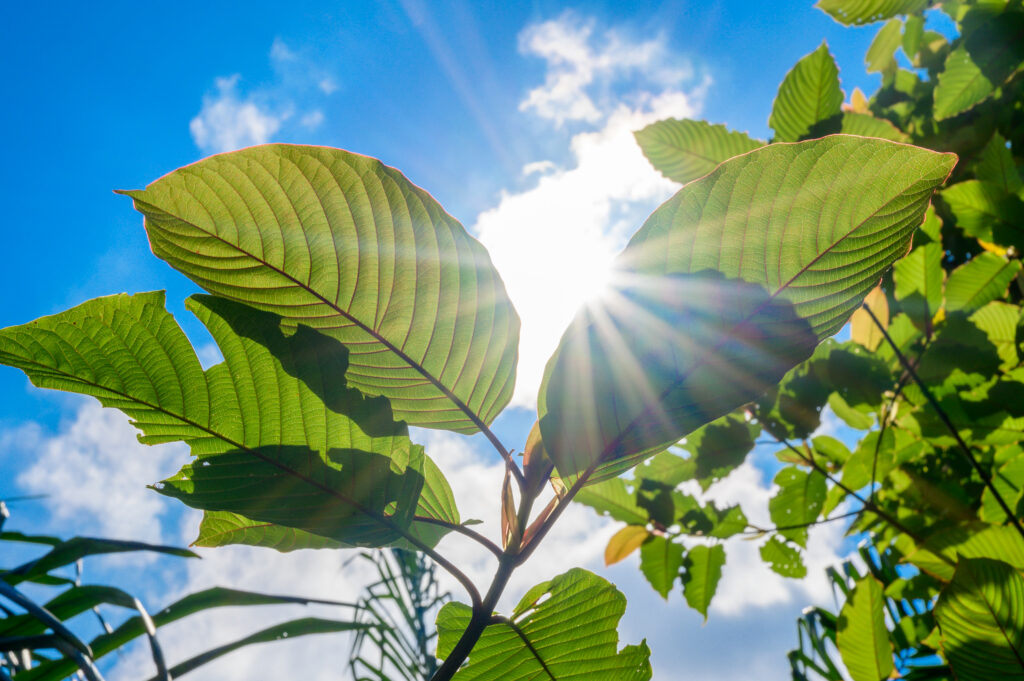
Kratom comes from the leaves of the Mitragyna speciosa tree, which grows in countries such as Thailand, Malaysia, and Indonesia. For centuries, people in these regions have used kratom for its stimulant and pain-relieving properties.
Today, kratom is sold throughout the United States in forms such as:
- Capsules
- Powders
- Extracts
- Gummies
- Teas
- Drinks
The effects of kratom vary depending on dosage.
At lower doses, kratom may produce stimulant-like effects, including:
- Increased energy
- Improved focus
- Enhanced alertness
- Elevated mood
At higher doses, kratom can produce effects similar to opioids, including:
- Relaxation
- Pain relief
- Sedation
- Euphoria
These effects are largely due to compounds called mitragynine and 7-hydroxymitragynine, which interact with opioid receptors in the brain.
While some individuals initially view kratom as a safer alternative to opioids, regular use can lead to dependence and addiction.
Can You Become Addicted to Kratom?
Yes.
Although kratom is often marketed as a wellness supplement, repeated use can cause both physical and psychological dependence.
Over time, the brain adapts to the presence of kratom. Individuals may find they need larger amounts to achieve the same effects, a phenomenon known as tolerance.
As tolerance increases, many people begin using kratom more frequently and in higher doses.
Eventually, stopping can become difficult due to withdrawal symptoms and cravings.
Signs of kratom addiction may include:
- Using more kratom than intended
- Being unable to cut back despite repeated attempts
- Spending significant time obtaining or using kratom
- Experiencing cravings
- Continuing use despite negative consequences
- Neglecting work, school, or family responsibilities
- Developing tolerance
- Experiencing withdrawal symptoms when not using
Like other substance use disorders, kratom addiction exists on a spectrum. Some individuals develop mild dependence, while others experience severe impairment requiring professional treatment.
Why Do People Become Dependent on Kratom?
Kratom addiction often develops gradually.
Many people begin using kratom for legitimate reasons, such as:
Chronic Pain
Some individuals use kratom to manage physical pain conditions. While it may initially provide relief, long-term use can lead to dependence.
Anxiety
People struggling with anxiety sometimes use kratom because it creates temporary feelings of calm and relaxation.
Depression
Kratom’s mood-enhancing effects may initially reduce depressive symptoms, making it appealing for self-medication.
Opioid Withdrawal
Some individuals turn to kratom while attempting to stop opioids. Although it may temporarily reduce withdrawal symptoms, it can create a new dependency.
Stress and Burnout
Working professionals and caregivers may use kratom to increase energy, improve focus, or cope with daily stress.
Unfortunately, self-medicating emotional distress often leads to a cycle where the underlying issue remains untreated while substance dependence grows stronger.
What Are the Symptoms of Kratom Withdrawal?
One of the clearest indicators of dependence is experiencing withdrawal symptoms when attempting to stop.
Withdrawal symptoms can vary depending on dosage, frequency of use, and individual physiology.
Common kratom withdrawal symptoms include:
- Anxiety
- Irritability
- Restlessness
- Insomnia
- Depression
- Muscle aches
- Sweating
- Nausea
- Fatigue
- Mood swings
- Difficulty concentrating
- Intense cravings
While kratom withdrawal is typically not considered life-threatening, it can be highly uncomfortable.
Many people return to using kratom simply to avoid withdrawal symptoms.
This pattern often reinforces the addiction cycle.
When Should You Seek Professional Help for Kratom Addiction?
Not everyone who uses kratom requires formal addiction treatment. However, professional help may be appropriate if:
- You cannot stop using despite wanting to quit
- Withdrawal symptoms interfere with daily functioning
- Kratom use affects relationships
- Work performance has declined
- You experience cravings regularly
- You use kratom to cope with anxiety, depression, or trauma
- Previous attempts to quit have been unsuccessful
Seeking help early can prevent addiction from becoming more severe and reduce the risk of developing additional substance use disorders.
Can You Go to Rehab for Kratom Addiction?
Absolutely.
Many addiction treatment programs address kratom addiction using the same evidence-based approaches used for other substance use disorders.
Because kratom affects both physical dependence and psychological well-being, treatment often focuses on multiple areas of recovery.
A comprehensive treatment plan may include:
- Clinical assessment
- Individual therapy
- Group therapy
- Relapse prevention planning
- Dual diagnosis treatment
- Family support
- Medication management when appropriate
- Intensive outpatient programming
The goal is not simply to stop using kratom but to understand why the addiction developed and build healthier ways of coping moving forward.
Understanding Dual Diagnosis and Kratom Addiction
One of the most overlooked aspects of kratom addiction is the role of mental health.
Many individuals struggling with kratom dependence also experience:
- Anxiety disorders
- Depression
- Trauma
- PTSD
- Chronic stress
- Panic attacks
- Mood disorders
When addiction and mental health conditions occur simultaneously, clinicians refer to this as a dual diagnosis or co-occurring disorder.
Without addressing both issues, recovery becomes significantly more difficult.
For example, someone who uses kratom to manage anxiety may stop using the substance but continue struggling with overwhelming anxiety symptoms. Without treatment for the underlying anxiety disorder, relapse becomes much more likely.
At Abhaya Wellness, addiction treatment focuses on helping individuals understand the relationship between mental health and substance use so they can achieve lasting recovery.
Recovery from kratom addiction is possible with the right support and evidence-based care. Reach out to Abhaya Wellness to learn about our addiction treatment programs, dual diagnosis services, and flexible outpatient options designed to fit your life.
What Treatment Options Are Available in North Carolina?
There is no one-size-fits-all approach to kratom addiction treatment.
The right level of care depends on the severity of symptoms, mental health needs, support system, and recovery goals.
Intensive Outpatient Programs (IOP)
An Intensive Outpatient Program offers structured treatment while allowing individuals to continue living at home.
IOPs are often ideal for people who:
- Have stable housing
- Need flexibility for work or family responsibilities
- Have mild to moderate substance use disorders
- Need ongoing therapeutic support
At Abhaya Wellness, our IOP services help clients receive meaningful treatment while maintaining important daily commitments.
Individual Therapy
Individual counseling allows clients to work one-on-one with a therapist to explore:
- Triggers
- Trauma history
- Stressors
- Relationship challenges
- Relapse prevention strategies
Therapy creates a safe environment to address the root causes of addiction.
Group Therapy
Group therapy helps individuals connect with others facing similar challenges.
Benefits include:
- Peer support
- Accountability
- Reduced isolation
- Communication skill development
- Shared recovery experiences
Many clients find that group support becomes an important part of their long-term recovery journey.
Family Therapy
Addiction often affects the entire family system.
Family therapy can help:
- Improve communication
- Rebuild trust
- Establish healthy boundaries
- Strengthen support networks
When families heal together, recovery outcomes often improve.
Evidence-Based Therapies for Kratom Addiction
Successful treatment involves more than simply stopping substance use.
Evidence-based therapies help individuals understand their behaviors, manage emotions, and build healthier coping skills.
Cognitive Behavioral Therapy (CBT)
CBT helps individuals identify and change unhealthy thought patterns that contribute to substance use.
Clients learn to:
- Challenge negative thinking
- Improve problem-solving
- Develop healthier coping strategies
Dialectical Behavior Therapy (DBT)
DBT focuses on emotional regulation, distress tolerance, mindfulness, and interpersonal effectiveness.
This approach can be especially beneficial for individuals who use kratom to cope with intense emotions.
Mindfulness-Based Relapse Prevention
Mindfulness is a cornerstone of Abhaya Wellness’s treatment philosophy.
Mindfulness-Based Relapse Prevention teaches individuals to:
- Observe cravings without reacting
- Increase emotional awareness
- Reduce impulsive behaviors
- Strengthen resilience
These skills can help prevent relapse and support sustainable recovery.
Why Mindfulness Matters in Kratom Recovery
Many people use kratom to escape uncomfortable thoughts or emotions.
Mindfulness offers an alternative.
Instead of avoiding discomfort through substance use, individuals learn how to:
- Stay present
- Tolerate difficult emotions
- Reduce reactivity
- Build self-awareness
Research consistently shows mindfulness can improve emotional regulation and reduce relapse risk for individuals recovering from substance use disorders.
At Abhaya Wellness, mindfulness is integrated throughout treatment to support whole-person healing.
Finding Kratom Addiction Treatment in Durham, North Carolina
Choosing the right treatment provider is one of the most important decisions you can make.
When evaluating treatment options, consider whether a program offers:
- Evidence-based therapies
- Dual diagnosis treatment
- Trauma-informed care
- Individualized treatment planning
- Family support services
- Flexible outpatient options
- Experienced addiction professionals
The best programs treat more than symptoms—they help individuals understand themselves, heal underlying wounds, and develop meaningful lives in recovery.
Recovery Is Possible
Kratom addiction can feel overwhelming, especially when withdrawal symptoms, cravings, and emotional challenges make quitting difficult.
However, recovery is possible.
Professional treatment can provide the guidance, support, and tools needed to overcome dependence and build a healthier future.
Whether you are struggling with kratom use, anxiety, depression, trauma, or a combination of challenges, you do not have to face them alone.
At Abhaya Wellness in Durham, North Carolina, our compassionate team provides evidence-based addiction treatment, dual diagnosis care, and mindfulness-oriented therapy designed to support lasting recovery. Through individualized treatment plans, experienced clinicians, and a whole-person approach to healing, we help clients address both substance use and the underlying factors driving it.
If kratom use is affecting your health, relationships, or daily responsibilities, Abhaya Wellness is here to help. Contact our Durham, North Carolina team today for a confidential consultation and personalized treatment recommendations.