
The clocks fall back, and suddenly it’s dark before you leave work. Mornings feel heavier, your energy dips, and the motivation you had a few weeks ago seems to disappear. For many people, the end of daylight saving time marks the start of a noticeable shift in mood, and for some, it’s the beginning of seasonal affective disorder.
So how does seasonal affective disorder affect mood after daylight saving time ends? When daylight saving time ends in early November, evenings get dark much earlier, and many people get less daylight during the hours they’re awake. That loss of light can disrupt the body’s internal clock, shift levels of mood-related brain chemicals like serotonin and melatonin, and trigger or worsen seasonal affective disorder (SAD). People with SAD may notice low mood, fatigue, oversleeping, carbohydrate cravings, trouble concentrating, and pulling away from others. Light therapy, therapy, medication, and healthy routines can all help.
This guide explains what SAD is, why the time change can make it worse, the signs to watch for, and how Abhaya Wellness in Durham, North Carolina, can help you feel more like yourself this winter.
What Is Seasonal Affective Disorder?
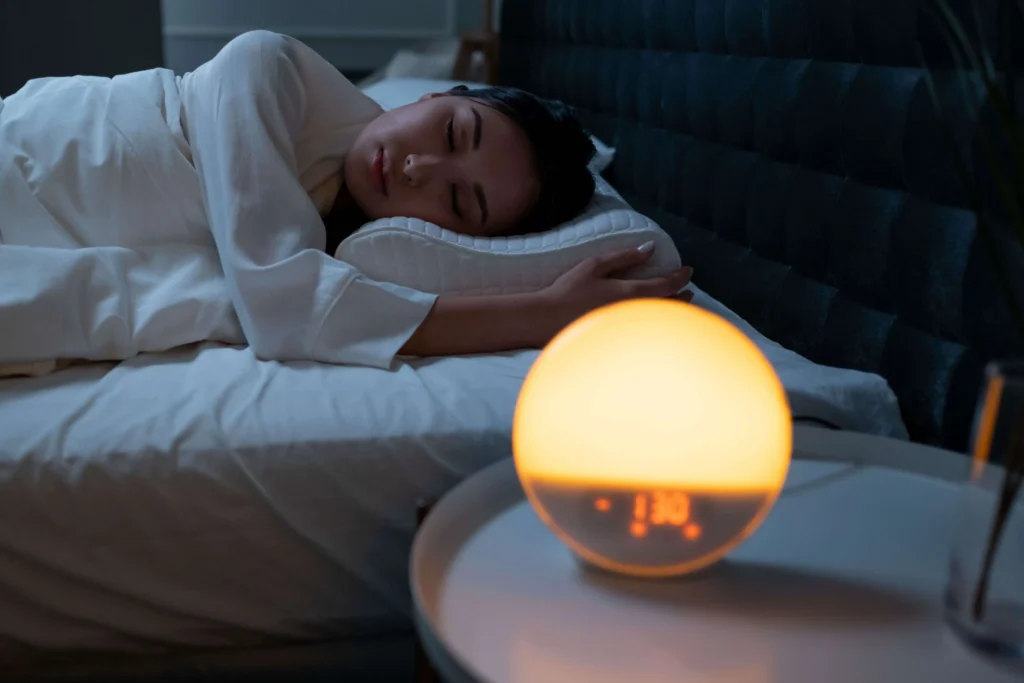
Seasonal affective disorder (SAD) is a type of depression that follows a seasonal pattern. According to the National Institute of Mental Health, symptoms most often begin in late fall or early winter and improve during the spring and summer. SAD isn’t just the “winter blues.” It’s a recognized form of depression that can affect daily life, work, and relationships.
Why Does the End of Daylight Saving Time Matter?
The days were already getting shorter, but the time change makes the loss of light suddenly noticeable. After clocks fall back, sunset can arrive before many people finish work, and evening hours that used to feel bright and active now feel dark.
How Less Light Affects the Brain
Researchers believe several factors contribute to SAD:
- Circadian rhythm disruption: Light helps regulate your internal body clock. Less daylight can throw off sleep and energy patterns.
- Serotonin changes: Reduced sunlight may lower activity of serotonin, a brain chemical that helps regulate mood.
- Melatonin changes: Longer nights can increase melatonin production, leading to sleepiness and sluggishness.
- Vitamin D: Less sun exposure can lower vitamin D levels, which may play a role in mood.
Who Is Most at Risk?
SAD is more common in women, young adults, people who live farther from the equator, and those with a personal or family history of depression or bipolar disorder.
You May Also Enjoy: Why Do the Holidays Make Anxiety and Depression Worse?
How Does SAD Affect Your Mood and Daily Life?
SAD can show up gradually in the weeks after the time change, often building through the darkest months of December, January, and February.
Common Symptoms of Seasonal Affective Disorder
- Feeling sad, hopeless, or “flat” most of the day
- Losing interest in activities you usually enjoy
- Low energy and feeling sluggish
- Oversleeping or having trouble getting out of bed
- Craving carbohydrates and gaining weight
- Trouble concentrating at work or school
- Withdrawing from friends and family (sometimes described as “hibernating”)
- Irritability or feeling more anxious
How It Can Spill Into Other Areas
SAD doesn’t only affect mood. Many people notice their work performance slipping, relationships feeling strained, or motivation for exercise and social plans disappearing. Some people also drink more or use substances to cope, which can deepen depression.
You’re Not Imagining It
People who live with SAD often describe the same patterns and the same strategies that help them get through. In an r/SeasonalAffective thread from someone dreading the end of summer, one commenter recommended light therapy and talking to a doctor about medication, and added this encouragement:
“Stay close to loved ones, stay active, and remain hopeful summer will come again!”
— Reddit user, r/SeasonalAffective
How Can You Cope With Seasonal Affective Disorder After the Time Change?
The good news is that SAD is treatable, and many strategies can help.
Get Morning Light
Spend time outside soon after you wake up, even on cloudy days. Open blinds, sit near windows, and take a short walk during daylight hours when you can.
Consider Light Therapy
Light therapy uses a special lamp that mimics natural outdoor light. It’s typically used for a set amount of time each morning. The National Institute of Mental Health lists light therapy as one of the main treatments for SAD. Talk with a healthcare provider before starting, especially if you have bipolar disorder or eye conditions.
Keep a Consistent Sleep Schedule
Go to bed and wake up at the same time every day, including weekends. A steady routine helps your body adjust to the time change.
Stay Active
Regular movement can boost mood and energy. Even short walks, stretching, or indoor workouts help.
Stay Connected
The urge to withdraw can be strong in winter. Make plans with friends, call loved ones, or join a group activity to keep isolation from deepening low mood.
Be Mindful of Alcohol
It’s tempting to drink more during dark, cold months, but alcohol can worsen depression and disrupt sleep.
Plan Ahead for Next Year
If you notice SAD every fall, talk with a provider before symptoms start. Beginning treatment early can lessen how severe the season feels.
What Treatments Help Seasonal Affective Disorder?
- Psychotherapy: Cognitive behavioral therapy (CBT), including a version adapted for SAD, helps you identify negative thought patterns and plan activities that boost mood during winter.
- Mindfulness-based approaches: Mindfulness can help you notice difficult emotions without being overwhelmed by them.
- Medication: Antidepressants may help some people, especially when symptoms are moderate to severe. A prescriber can help you decide what’s right.
- Light therapy: Often used alongside therapy or medication.
You May Also Enjoy: How Can Men Recognize the Hidden Signs of Depression During Movember?
When Should You Get Help for Seasonal Depression?
It’s time to talk with a mental health professional if:
- Low mood lasts two weeks or longer
- You’re struggling to keep up with work, school, or family responsibilities
- You’ve lost interest in things you usually enjoy
- You’re sleeping much more or less than usual
- You’re drinking or using substances more to cope
- The same pattern returns every fall or winter
- You’re having thoughts of hopelessness or self-harm
Seasonal depression is real depression, and it deserves real support. You don’t have to simply wait for spring.
If you’re having thoughts of suicide or feel unsafe, call or text the 988 Suicide & Crisis Lifeline or call 911.
You May Also Enjoy: Finding Peace: How Mindfulness Can Help Relieve Depression Symptoms
Support for Seasonal Depression at Abhaya Wellness in Durham, NC
Abhaya Wellness in Durham, North Carolina, helps people across the Triangle, including Durham, Raleigh, and Chapel Hill, manage depression, anxiety, and the challenges that can come with darker winter months.
Individual Therapy
Individual therapy offers a confidential space to understand seasonal mood changes, build coping strategies, and create a plan for the winter months.
Medication Management
For people whose symptoms are more severe or return every year, Abhaya’s medication management includes a comprehensive evaluation and ongoing support from a prescribing clinician.
Mindfulness-Based Care
Abhaya’s mindfulness-based approach helps people notice difficult thoughts and emotions with more calm and less judgment, which can be especially helpful during seasons when mood dips.
When Seasonal Depression and Substance Use Overlap
If the darker months have led to more drinking or substance use, Abhaya’s dual diagnosis treatment addresses both together. Gender-responsive intensive outpatient programs are also available through the Men’s IOP and Women’s IOP.
Insurance
Abhaya Wellness accepts BlueCross BlueShield, Aetna, UnitedHealthcare, Ambetter, MedCost, and Optum, and offers free, confidential insurance verification.
Frequently Asked Questions
Does the end of daylight saving time cause depression?
The time change doesn’t cause depression on its own, but the sudden loss of evening daylight can disrupt sleep and circadian rhythms and trigger or worsen seasonal affective disorder in people who are vulnerable.
When does seasonal affective disorder usually start?
For most people, SAD symptoms begin in late fall or early winter and improve in spring and summer.
What’s the difference between the winter blues and SAD?
The winter blues are mild and short-lived. SAD is a form of depression with symptoms that last weeks or months and interfere with daily life.
Does light therapy work for seasonal depression?
Light therapy is one of the main treatments for SAD and helps many people. It’s best to talk with a provider before starting, especially if you have bipolar disorder or eye conditions.
Can therapy help with seasonal affective disorder?
Yes. Cognitive behavioral therapy, including a version adapted for SAD, can help reduce symptoms and prevent them from returning in future years.
Where can I get help for seasonal depression in Durham, NC?
Abhaya Wellness in Durham offers individual therapy, medication management, and mindfulness-based care for people across the Triangle.
Don’t Wait for Spring to Feel Better
Shorter days don’t have to mean months of struggling, and support can help you feel steadier all winter long. Contact Abhaya Wellness today to learn how our team in Durham, NC, can help you manage seasonal depression and feel more like yourself.